The Dream Job Has Changed
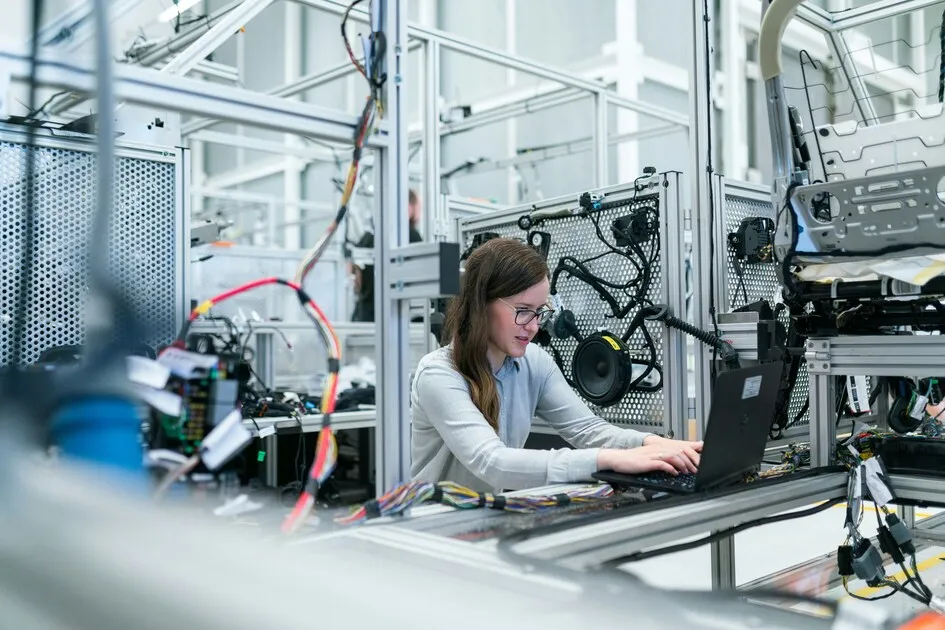
Not long ago, landing a role at Alibaba, Tencent, or a major investment bank was the gold standard for China's top university graduates. Today, that dream looks very different. The most ambitious graduates from China's elite institutions are increasingly setting their sights on electric vehicle makers, semiconductor firms, nuclear energy corporations, and renewable energy companies.
This is not a minor blip. It is a structural, measurable shift reshaping China's talent economy — and it carries significant implications far beyond China's borders.
The Numbers Don't Lie: A Six-Year Trend
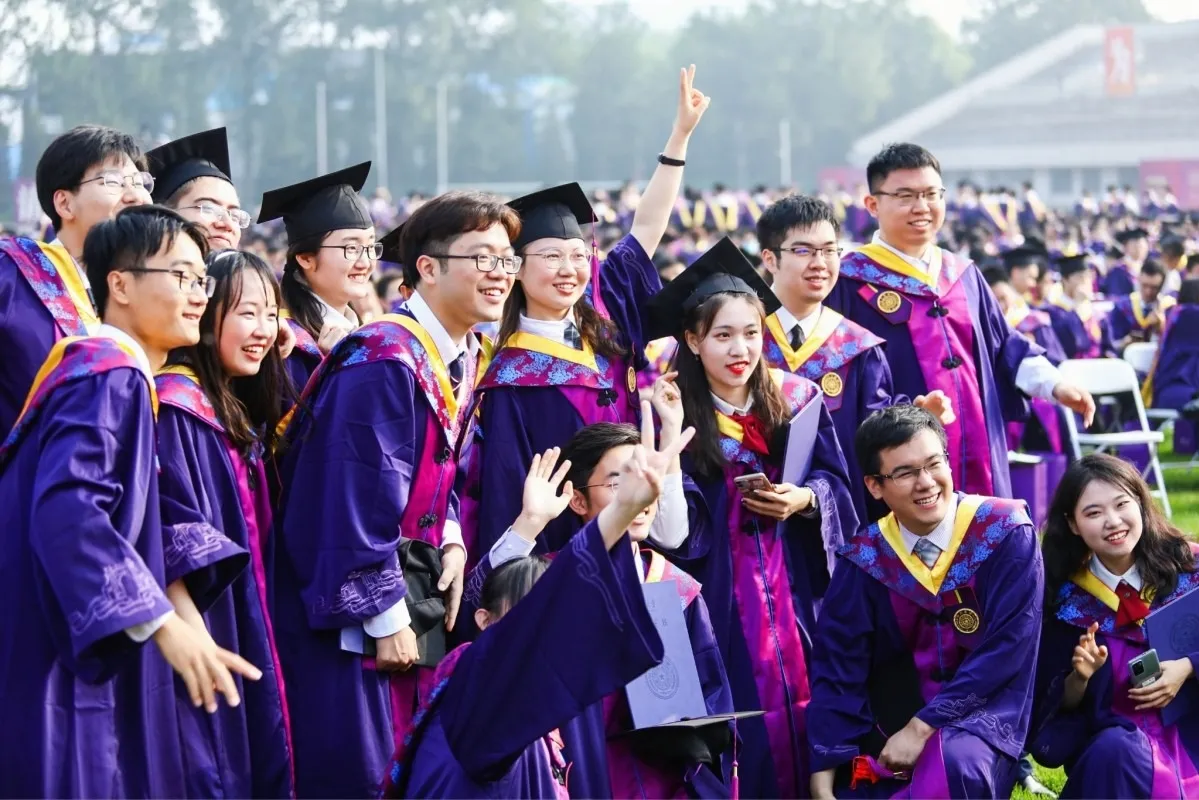
Employment data from Tsinghua University — widely regarded as China's equivalent of MIT or Stanford — paints a striking picture. For the graduating class of 2025, the number of students entering the manufacturing and energy sectors rose by 19.1% year over year. This was not a one-off surge. The share of Tsinghua graduates choosing these sectors has grown for six consecutive years.
The top employers for this year's Tsinghua graduates include:
- Huawei — global telecom and technology giant
- BYD — one of the world's largest electric vehicle manufacturers
- State Grid Corporation of China — operator of the national power grid
- China National Nuclear Corporation — leader of the country's nuclear industry
These are not the glamorous startup names that once dominated graduate recruitment fairs. They are industrial powerhouses at the heart of China's strategic economic ambitions.
The trend extends well beyond Tsinghua. At Huazhong University of Science and Technology, 2025 graduate employment figures show roughly 2,000 graduates entering the information-technology sector and around 1,500 moving into manufacturing — compared with only about 300 entering finance. Nationally, the share of Chinese graduates entering manufacturing climbed from 17.9% in 2020 to 22.5% in 2024, according to a report by MyCOS Institute, a consultancy specializing in China's education sector.
Why Manufacturing? The Industry Has Transformed
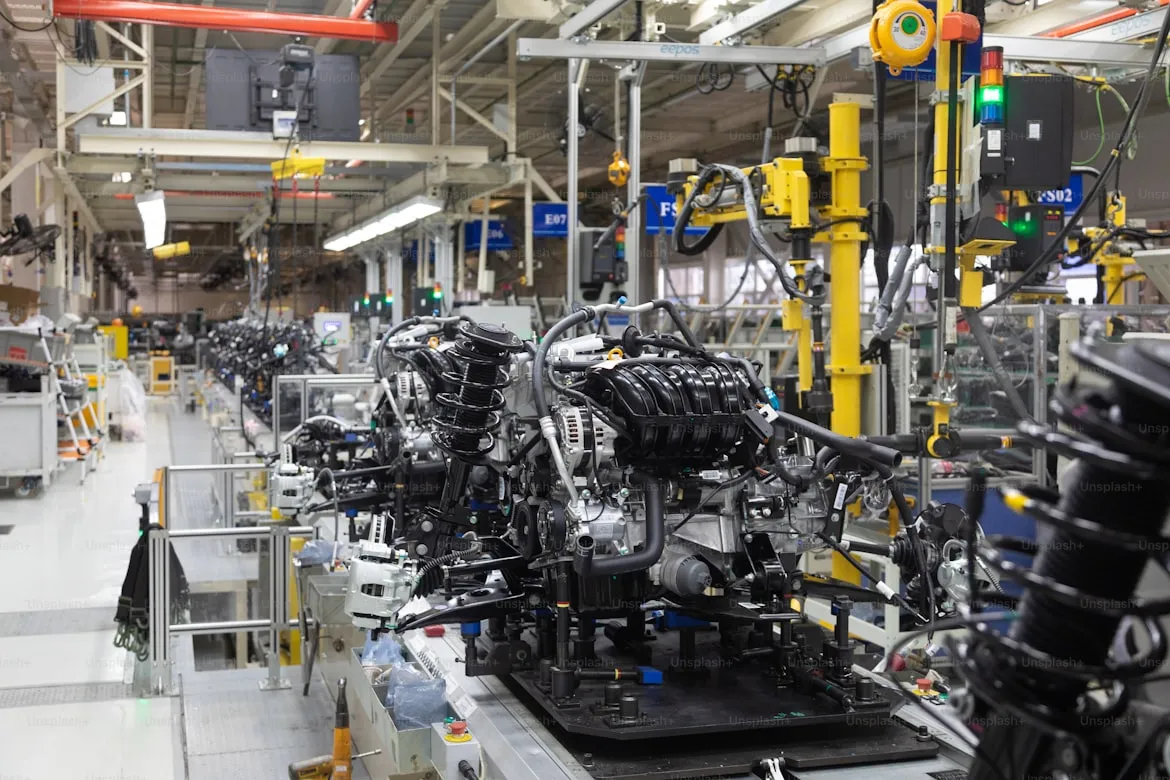
A decade ago, manufacturing in China conjured images of repetitive assembly lines, modest wages, and limited career growth. That perception is now outdated.
"Hardware and advanced manufacturing are no longer seen as low-skill industries but as high-tech innovation sectors involving robotics, semiconductors, advanced materials, and industrial AI." — Fu Fangjian, Associate Professor of Finance, Singapore Management University
Today's manufacturing roles in sectors like electric vehicles, battery technology, and renewable energy demand expertise in data science, systems integration, and advanced engineering — the exact skills that China's top graduates have spent years developing.
Zhao Litao, Senior Research Fellow at the East Asian Institute, National University of Singapore, notes that highly technical engineering and research roles in this sector "carry considerable prestige among engineering students." Advanced manufacturing is now viewed as a frontier technology sector, not a blue-collar fallback.
For graduates, this translates into something concrete: competitive salaries and the opportunity to work on genuinely cutting-edge technology, rather than optimizing advertising algorithms or processing financial transactions.
The Fall of Finance and Big Tech Hiring
The appeal of manufacturing doesn't exist in a vacuum. It has grown, in part, because the former prestige sectors have lost their shine.
China's internet giants have been aggressively cutting headcount in recent years. Alibaba's workforce shrank by more than half between 2022 and 2025. Baidu's headcount fell over 21% from its peak. Tighter government regulation of the platform economy added further uncertainty to an already cooling job market.
"Hiring in the platform economy has slowed, while tighter regulation has added more uncertainty," said Fu. "At the same time, investment attention has shifted toward HALO sectors — Hardware, industrial technology, and energy — redirecting both capital and talent."
Youth unemployment in China remains a pressing concern. The unemployment rate for those aged 16 to 24 stood at 16.5% as of late 2024, compared to just 3.9% for workers aged 30 to 59. In that environment, the stability and growth trajectory of manufacturing roles makes them considerably more attractive.
Government Policy: Steering Talent With Purpose
This shift is not purely market-driven. China's government has spent over a decade deliberately steering talent and capital toward strategic industrial sectors.
Industrial policy has prioritized electric vehicles, renewable energy, power equipment, and advanced materials through targeted research programs, subsidies, and large-scale investment. The results are quantifiable: China is now the world's largest producer of electric vehicles, batteries, and solar equipment — industries that collectively require enormous numbers of highly skilled engineers and researchers.
A government manufacturing talent development plan projected that nearly 30 million skilled manufacturing jobs could go unfilled by 2025, underscoring the scale of demand. Universities, research institutes, and state-backed enterprises are all aligned with these national priorities, creating a pipeline that naturally channels top talent into these fields.
What This Means for the Rest of the World
The implications of this talent shift extend well beyond China's domestic job market.
When the country's most capable engineers — trained at world-class institutions — pour into electric vehicles, semiconductors, and clean energy, the innovation output in those sectors accelerates. Western competitors, already wrestling with talent shortages in engineering and manufacturing, face an increasingly skilled and well-resourced rival across every major industrial frontier.
This is not a story about Chinese graduates "settling" for factory work. It is a story about how a nation has redefined what factory work means — and in doing so, positioned itself to lead the next generation of global industrial competition.
Key Takeaways
- Tsinghua University's class of 2025 saw a 19.1% year-over-year increase in graduates entering manufacturing and energy.
- The trend has been growing for six consecutive years across multiple top Chinese universities.
- Manufacturing roles now demand expertise in robotics, AI, semiconductors, and data science — making them genuinely attractive to elite graduates.
- Big tech and finance hiring in China has contracted significantly, pushing talent toward industrial sectors.
- Government industrial policy has deliberately aligned universities, research institutes, and employers to drive this shift.
- China's dominance in EVs, batteries, and solar is being reinforced by an influx of top engineering talent.
The way a generation chooses its career paths reveals what a society values — and where it expects to compete. In China, that answer is increasingly clear: the future is industrial, and it is high-tech.